 EN
EN

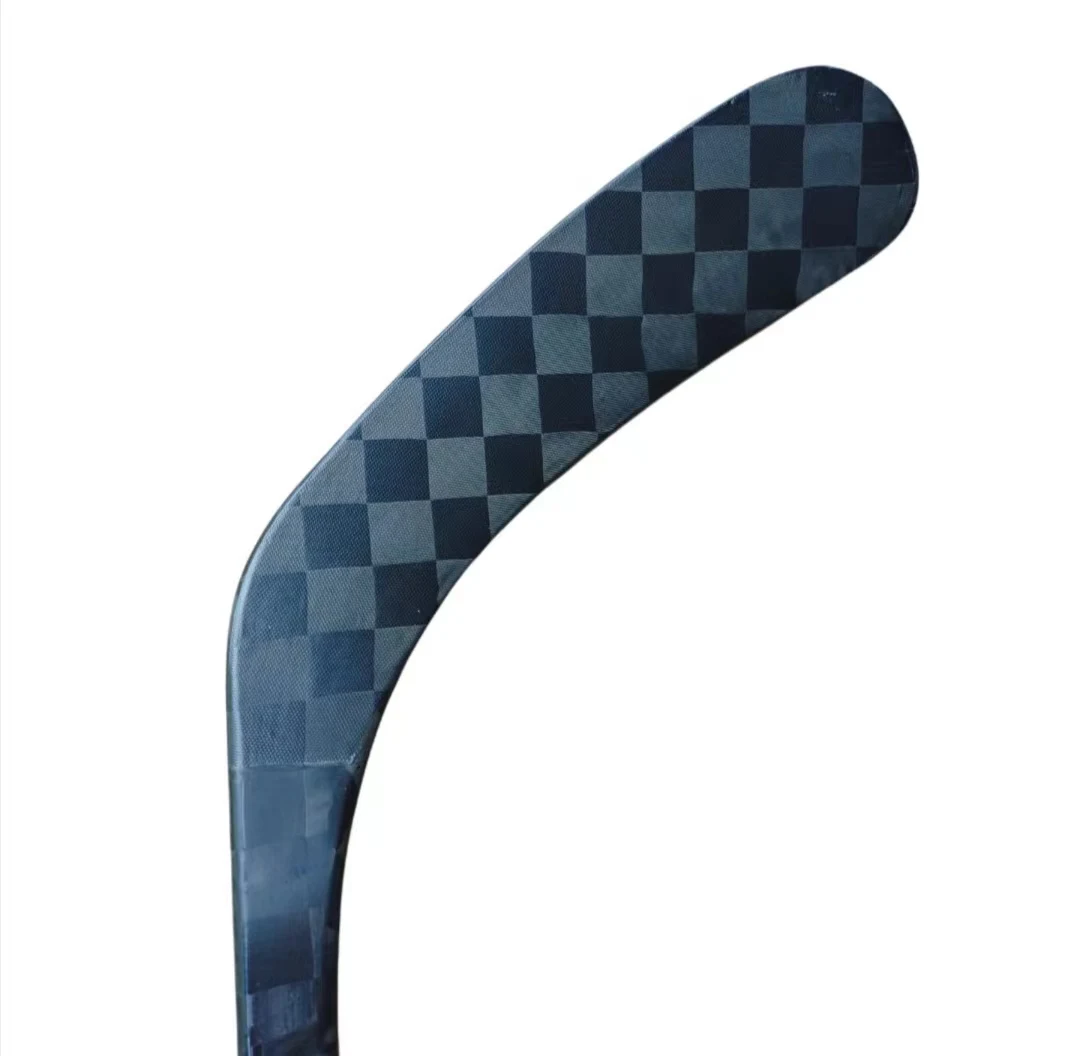
Not all hockey stick suppliers are created equal, when it pertains to hockey sticks. There are some suppliers who just sell any sticks with no concern to leave you too many choices, yet others like TIESONG ensure their products have stringent checks in place. These checks, or certifications as they are called, are proof that the hockey sticks are manufactured right and safe to be used. Knowing which certifications matter could save trouble and some cash down the road, especially for those who buy wholesale hockey sticks. It’s not just about selling sticks, it’s about selling good ones that the players they trust. Without the proper certifications, consumers may end up with products that break easily or cause harm. So the better you know and recognize these certifications, the better decisions both suppliers and buyers can make when handling hockey sticks.
What Are The Certifications Required For Wholesale Hockey Stick Suppliers
They’re kind of insurance policies against suppliers following the wrong rules when producing hockey sticks. Certifications are also very significant for wholesale hockey stick suppliers. These certificates are proof that the sticks are constructed of good materials and in some type of right way. Some of them, for example, look at whether the materials used are safe for players and don’t include anything toxic. Others ensure the sticks will endure for some time and not break during games. TIESONG is always ensure we get these certificates, because we care about quality and trust. One popular certificate has to do with the environmental impact, showing that the sticks are produced in such a way that they don’t ruin the earth too much. Another examines the tensile strength and durability of the sticks so buyers know they are getting products that won’t break easily. Once in a while, a supplier skips these certificates and the sticks may seem cheap but fail in short order. That’s why you should ask for proof before you buy in bulk. And just saying the sticks are good is not enough certificates underwrite those words. Additionally, certificates could be issued by separate groups depending on where the sticks are sold. For instance, some localities have more stringent restrictions, so suppliers must adhere to those regulations if they want to sell there. TIESONG understands it thoroughly and spare no efforts in satisfying these all, so our customers never worry about its quality or safety. Without the right certificates, buyers can lose their money or complaints made by players who are hurt or disappointed. Certificates help protect everyone involved.
What Wholesale Hockey Stick Buyers Should Demand Keep up with Latest
SPN Safety is key when purchasing hockey sticks, especially in bulk. Buyers can’t just choose the cheapest sticks or the ones that are coolest. Instead, they should be searching for specific safety standards that keep players safe on the field and off it. Those safety standards ensure that the sticks will not splint into sharp pieces or have any parts that could cause harm. TIESONG is aware that some safety regulations are stringent to ensure hockey is a hard sport, and if equipment fail injuries might occur. For instance, some safety checks involve creating strains to see how much a stick can take before breaking. If one of the sticks breaks easily, it has potential to produce dangerous injuries. Another safety standard reviews the stick’s grip and handle, making sure players don’t lose control when they play. Some of the ones might seem trivial, but they have an outsize impact on the ice. Buyers can also request documents from suppliers to show that their sticks comply with these safety rules. At times, and this is a money-saving measure, suppliers cut corners to avoid such checks, but problems arise after that. It’s like buying a car, and it didn’t come with brakes not safe at all. safety is always TIESONG pursuit. We repeatedly test our sticks and keep records that we can show to buyers. And some safety standards have rules about what chemicals can be used in the sticks. Some chemicals can be dangerous, so sticks should not contain them. Buyers have the right to inquire about such things and anticipate straightforward responses. When players know they are safe, they can direct their full attention to the game rather than fretting about equipment. Buyers who insist on these standards help to elevate the quality for all in the sport. It’s not only a savvy business move; it’s to care about the well-being of players.
Where To Verify Supplier Certifications For Durable Hockey Sticks
When purchasing hockey sticks, you need to ensure that the seller’s credentials are indeed authentic. Certifications are evidence that the hockey sticks conform to particular safety and quality standards. But occasionally sellers might claim to have certificates that are not genuine. This can be problematic since the sticks could easily break or not be safe. So, the buyer needs to know where to look to see if those certifications are legit. One good place to begin is with official websites created by certification organizations. These organizations typically maintain a list of all companies and products they have certified. For instance, if a hockey stick manufacturer such as TIESONG says you that they have a certain certificate, then one can go to the homepage of the specific certificate and look for TIESONG. If TIESONG is included, it means the certification is legitimate. Another way to verify is to request from the supplier a copy of their certificates for investigation / verification on your end with the issuer. The certificates may also have a number or code that will allow you to check their validity online. Also, many certification groups send new lists to buyers, or have other formal channels for notifying them when a company loses its certification. Keep an eye out for these updates, too, as certifications can sometimes expire or be revoked if the product no longer adheres to the rules. Apart from online review, you can also ask other purchasers or stores who have done business with the supplier already. They could share their stories with you, and let you know if the certifications and products are legit. This way you avoid with getting a bad product and make sure that hockey sticks are strong and safe. For firms like TIESONG, having actual and updated certifications is a sign that they worry about quality and safety. Always check first before you buy, and especially if you’re buying large quantities for teams or stores.
How Mainstream Use Of Certified Hockey Sticks Improves Performance And Gives Buyers Peace Of Mind
Certified custom hockey sticks are about more than just safety they also make players perform better on the ice. When a hockey stick is certified, it means that the strength, balance and how well it handles impacts of the stick has been tested. This is incredibly important as a quality stick allows players to hit the puck harder, pass more accurately and control the puck better. For instance, TIESONG maintains high standards of certification for its hockey sticks to ensure they will not break during play. Certified sticks are manufactured from quality tested materials and consequently they are more lighter and stronger. This can help players run faster, and shoot better. Certified hockey sticks not only inspire the confidence of players, they prevent buyers like coaches or team managers from feeling doubt. They know that when they buy the sticks, they will last longer and ensure their players aren’t getting injured by broken equipment. Buyers seeing the factory certification checks on TIESONG hockey sticks can most assured that they are all subjected to stringent scrutiny. This trust is very valuable since you don’t need to worry as much about product returns or complaints. Hockey sticks that are approved also aid in keeping players from being injured. Sticks may be poorly certified and will have sharp edges, weak points and other issues that can result in accidents. TIESONG takes their responsibility to certificate seriously, so when you buy a pair of these sticks you know that they adhere laser right safety rules for everyone on the ice. In other words, the certified hockey sticks make for a better game by giving players superior tools and buyers confidence that what they are getting is of high quality. That is exactly the reason why certifications matter so much when you are selecting hockey sticks, regardless of whether it’s for yourself or for an entire team.
Frequent Certification Problems, Which Wholesale Buyers Face at the Picking of Hockey Stick Suppliers
Large-volume purchasers, who purchase hockey sticks in wholesale quantities often find themselves confronting certification issues when they select suppliers. There is one big problem, however: Some suppliers flash forged or expired certificates to up their goods. This can fool the buyers that the hockey sticks are secure and up to standard quality while they are not. For instance, a supplier could have had a certificate last year without renewing it. If buyers do not read the fine print carefully, they may purchase large lots of sticks that are no longer eligible for play. Confusion about the certifications required is another issue. Various countries or leagues may have different types of certificates for hockey stick fiber. Wholesale customers might not always understand which types of certification are most important for their own clientele. That makes it difficult to select the proper supplier. Occasionally, suppliers might hold certifications that appear authentic but were earned from lesser known or dubious organizations. These may not ensure good quality or safety. Purchasers need to understand the differences between reputable certification bodies and those that are not credible. There's also the linguistic obstacle which is a common problem. Some certificates or documents may be in a foreign language, or contain technical terms that are difficult to understand. This can lead to errors and confusion in the selection of suppliers. Buyers must demand clear information and assistance from experts if necessary. To wholesale buyers, who are dealing with suppliers such as TIESONG, it is useful to also develop better relationships and receive their ongoing certifications. Those suppliers who are transparent about their certificates make it easier to have trust in their products. Another tip is that if you try a product out from the supplier before purchasing in bulk, you'll know which sticks really match the claims of certification. Ultimately, wholesale buyers need to be mindful and savvy about verifying certifications. This helps prevent big losses and make sure the hockey sticks the company buys are safe, strong and meeting all the right standards. That way the buyers and the users of these hockey sticks will be happy.
Table of Contents
- What Are The Certifications Required For Wholesale Hockey Stick Suppliers
- What Wholesale Hockey Stick Buyers Should Demand Keep up with Latest
- Where To Verify Supplier Certifications For Durable Hockey Sticks
- How Mainstream Use Of Certified Hockey Sticks Improves Performance And Gives Buyers Peace Of Mind
- Frequent Certification Problems, Which Wholesale Buyers Face at the Picking of Hockey Stick Suppliers